By Jasmine Cole, founder of CozyCross ·
Where to Buy Cross Stitch Kits: The Five Tests a Kit Must Pass
Ask five stitchers what makes a good kit and you will get five different answers, each defended with the passion normally reserved for sports teams. The truth underneath the debate is simpler than any of them: a great kit and a disappointment in a pretty bag differ on five specific, checkable things.
None of the five is the picture on the front of the bag. They are whether the kit inside is complete, whether the chart is legible, whether the floss is generous and sorted, and whether anyone actually stitched the design before it went on sale. Once you can check those things from your couch, you stop buying on hope, which is exactly the skill this guide is meant to leave you with.
What a Complete Kit Should Include
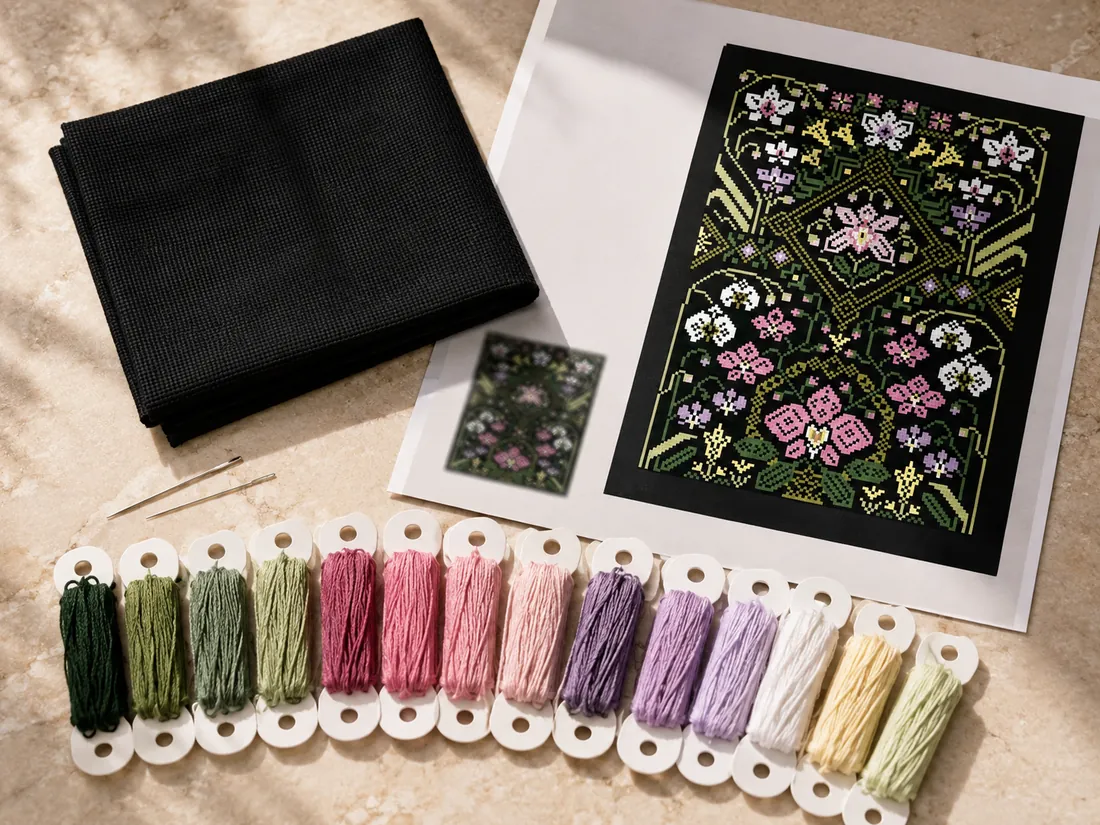
| Component | What good looks like |
|---|---|
| Fabric | Correct count, generous margins, edges trimmed or taped against fraying |
| Floss | Every legend color present, sorted and labeled, enough for mistakes |
| Needle | Blunt tapestry needle sized to the fabric count; two is a thoughtful touch |
| Chart | Full-size, high-contrast symbols, 10 by 10 gridding, clear legend |
| Instructions | Strand counts, stitch diagrams, and washing guidance for finishing |
That table is the shopping list. The five tests below are how you verify each line of it before you pay, in the order the failures actually happen: fabric, floss, needles, chart, and the person selling you all four.
Test 1: Fabric Cut to the Count on the Label
Count is the number of stitch squares per inch, and it sets the finished size of everything. The same chart on 11CT comes out noticeably larger than on 18CT, so a listing that names its count and then publishes the finished dimensions for that count is telling you something you can act on. One that says "high quality fabric" and stops is telling you nothing, and you find that out when the frame you bought does not fit.
Margin is the quieter half of this test. You want a couple of inches of blank fabric on every side, with edges trimmed or taped so they cannot fray inward while you work. If you are still deciding which count suits you, the walkthrough in how to cross stitch covers what changes as the squares get smaller.
Test 2: Premium Floss, Sorted and Labeled
Running out of a single color at 90% finished, then hunting a matching dye lot months later, is the classic kit heartbreak. Premium cotton behaves differently under the needle too: it separates cleanly into strands, it does not fuzz after being pulled through Aida a few hundred times, and the color in your hand matches the color on the chart.
If a listing will not confirm sorted and labeled floss, assume you are doing the sorting yourself, legend in one hand and a bag of anonymous skeins in the other. That is an hour of work before stitch one, and it is an hour you already paid for.
Test 3: Needles in the Bag, Not on Your Shopping List
The needle has to match the fabric. A tapestry needle is blunt on purpose: it slides between the woven threads of Aida instead of splitting them, which is what keeps the holes crisp and the stitches sitting evenly. Too fine and it slips through the square, too heavy and it strains the weave open.
Checking this takes ten seconds and it catches a whole category of disappointment: the kit that lands on a Friday evening and cannot be started until a shop opens on Monday. Read the contents list, count the needles, move on.
Test 4: A Chart or Print You Can Actually Read
Symbols that smear together at the size they were printed cost you hours, and they make you unpick the same row twice. Gridding matters just as much: without those lines every ten squares, finding your place after a break turns into counting single stitches across an empty field.
Format decides which half of this test you should be reading for. If you have not settled on one yet, my comparison of stamped vs counted cross stitch walks through who each style suits, and what a sharp print or a clean chart buys you in each case.
Test 5: A Seller You Can Put a Name To
Notice that price is not on this list. A carefully assembled kit can be inexpensive, and a costly one can arrive with tangled floss and a folded photocopy. The five tests work because they are hard to fake and easy to verify before you pay, which is exactly what a price tag is not.
Evidence is what turns a claim into a check. Photographed results of the actual design, finished dimensions published for every fabric count offered, a named contact, and a return window somebody honors: that is what the fifth test is looking for, and it is why this guide ends here rather than at a star rating.
annual size of the US creative products industry, the retail market these kits are sold into
— Association For Creative Industries, Size of the Industry Study, 2017
How the CozyCross Kits Score on All Five
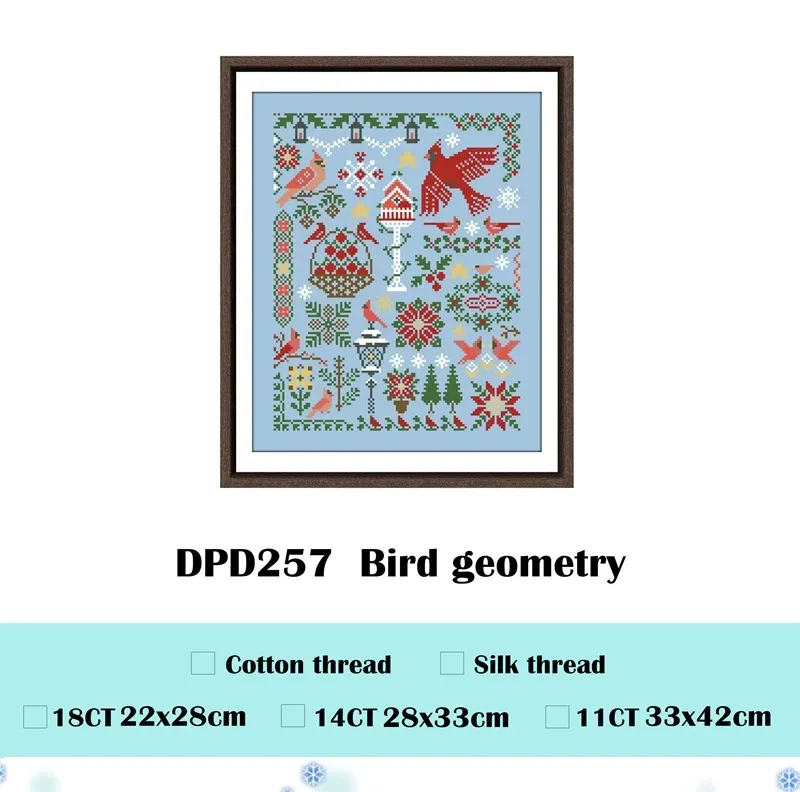
Test by test, here is the evidence. Every design page names the fabric count you are ordering and publishes the finished dimensions for that count, so nothing about size is left to guess. The floss is premium cotton, pre-sorted and labeled to the chart symbols, with margin above what the design actually consumes. Needles ship inside the bag, never on a separate shopping list. Counted designs come with a full-size gridded chart and stamped designs with a print sharp enough to stitch straight over. And the fifth test has my name on it: I chose these seven kits, and every claim on their pages is one you can check against the label and the buyer photos.
Our numbers, transparently: the current line was chosen from 13 candidate kits we evaluated, and 7 made the cut. The deciding evidence was real stitchers' photographed results, not catalog photos. Kits run $24.95 to $39.95 with free shipping and a 30-day money-back guarantee, and every design page lists finished dimensions for each available fabric count.
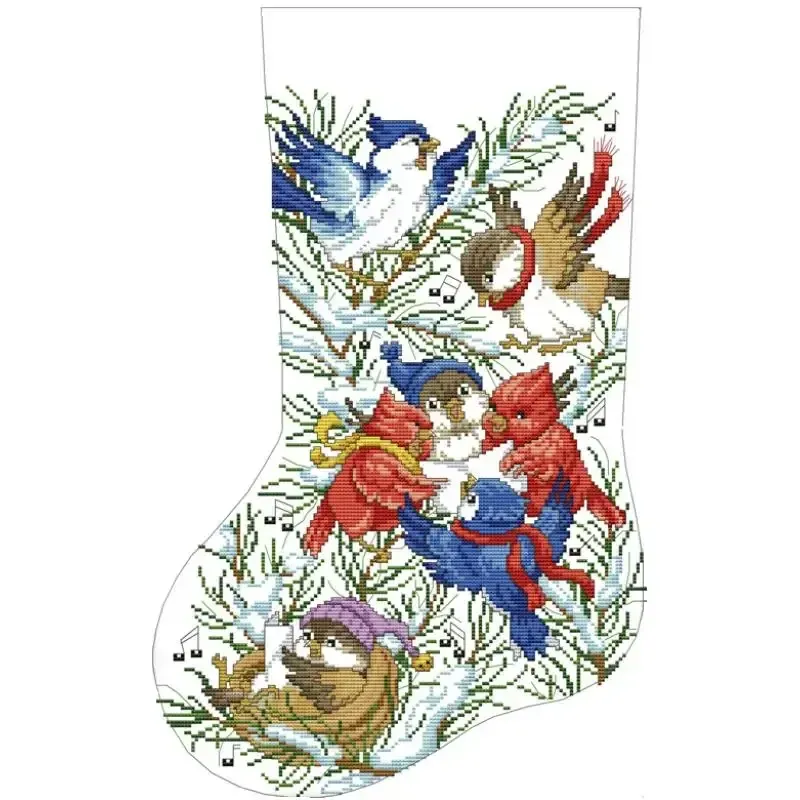
The range covers the main ways people stitch: small-format beginner cross stitch kits, dramatic black-canvas and sampler designs among our counted cross stitch kits, guided stamped cross stitch kits, and a 24-design Christmas stocking cross stitch kit collection available printed or unprinted. How we screen kits is documented on how we test, what stitchers think is on the reviews page, and if a kit ever falls short of the five tests above, tell us and we will make it right.
knitters took part in the international survey linking needlecraft frequency to feeling calm and happy, evidence that once a kit passes these five tests, the hobby itself pays off
— Riley et al., British Journal of Occupational Therapy, 2013
Buying FAQ
Does a cheap kit mean a bad kit?
Not on its own. Price tells you nothing about whether the floss is sorted or the chart is legible, which is why the five tests above look at contents and print quality instead. Judge by photographed results of the actual design, a specific contents list, and chart or print sharpness.
Is it cheaper to buy a kit or supplies separately?
For a single project, a kit is almost always cheaper and more convenient, because you buy exactly the floss the design needs. Buying separately pays off only once you stitch constantly and build a floss library future patterns can draw from.
What should a good kit cost?
Most quality kits for adults run roughly $15 to $50 depending on design size, fabric count, and brand. Very cheap kits often cut corners on floss quantity or chart clarity, while premium prices usually pay for licensed artwork or unusually large designs.
Do kits include a hoop?
Often not, and that is normal. Aida is stiff enough to stitch in hand, so many kits ship fabric, sorted floss, needles, and the chart only. Check the contents list if you want a hoop included, or buy one separately for a few dollars.